
¿Dientes sensibles?
Causas, tratamiento y cómo aliviar el dolor dental.
La sensibilidad dental es una de las molestias más frecuentes en la consulta odontológica. Se manifiesta como un dolor agudo y breve al consumir alimentos fríos, calientes o dulces, y puede aparecer de forma repentina. Con un diagnóstico adecuado es posible identificar la causa y aplicar un tratamiento eficaz para aliviarla.
¿Qué son los dientes sensibles?
Los dientes sensibles aparecen cuando la capa interna del diente (dentina) queda expuesta. Esto permite que estímulos externos lleguen al nervio dental, provocando dolor o molestias intensas.
La dentina puede quedar expuesta por desgaste del esmalte o retracción de las encías, situaciones muy habituales en adultos.

¿Por qué aparece la sensibilidad dental?
Las causas más comunes de la sensibilidad dental incluyen:
- Cepillado agresivo o con cepillos duros
- Retracción de encías
- Desgaste del esmalte dental
- Bruxismo (rechinar de dientes)
- Caries dentales
- Tratamientos dentales recientes
- Uso excesivo de productos blanqueadores
"La sensibilidad dental es una de las molestias más frecuentes en la consulta odontológica. Se manifiesta como un dolor agudo y breve al consumir alimentos fríos, calientes o dulces, y puede aparecer de forma repentina. Con un diagnóstico adecuado es posible identificar la causa y aplicar un tratamiento eficaz para aliviarla."
-Dr. Alejandro Prieto
Tratamiento de la sensibilidad dental
El tratamiento dependerá de la causa detectada tras la exploración clínica.
Tratamientos profesionales más habituales
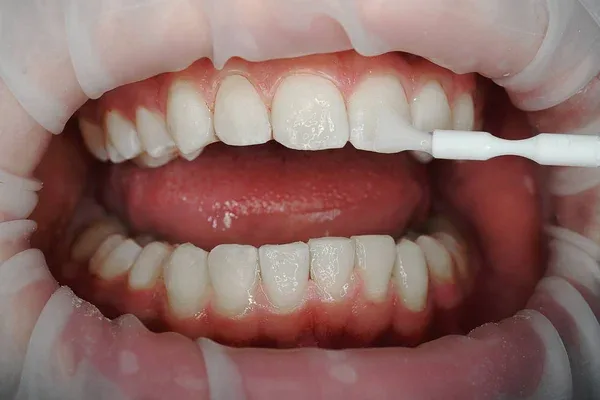
- Aplicación de flúor o desensibilizantes
- Sellado de túbulos dentinarios
- Tratamiento de encías
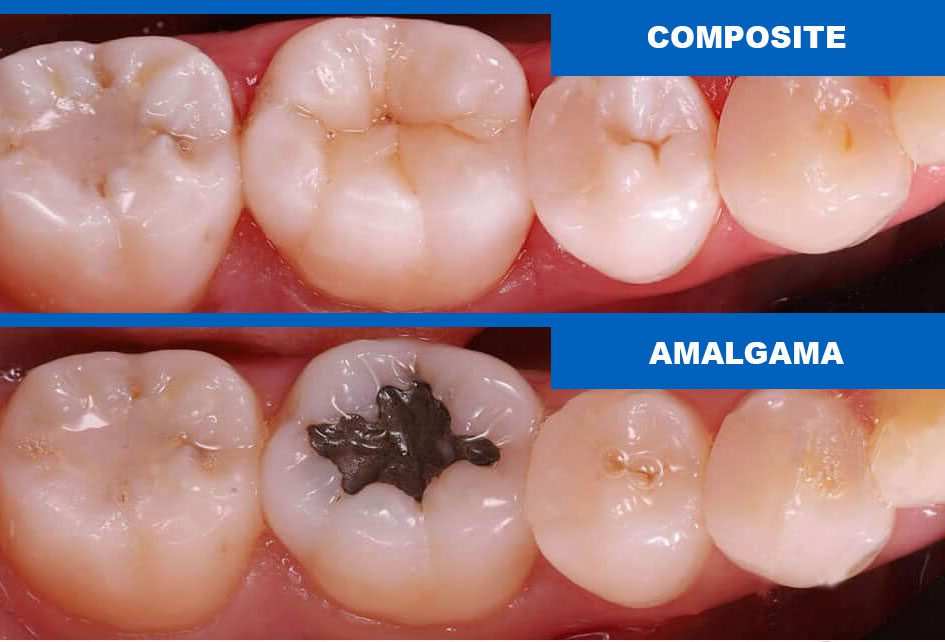
- Empastes en caso de caries
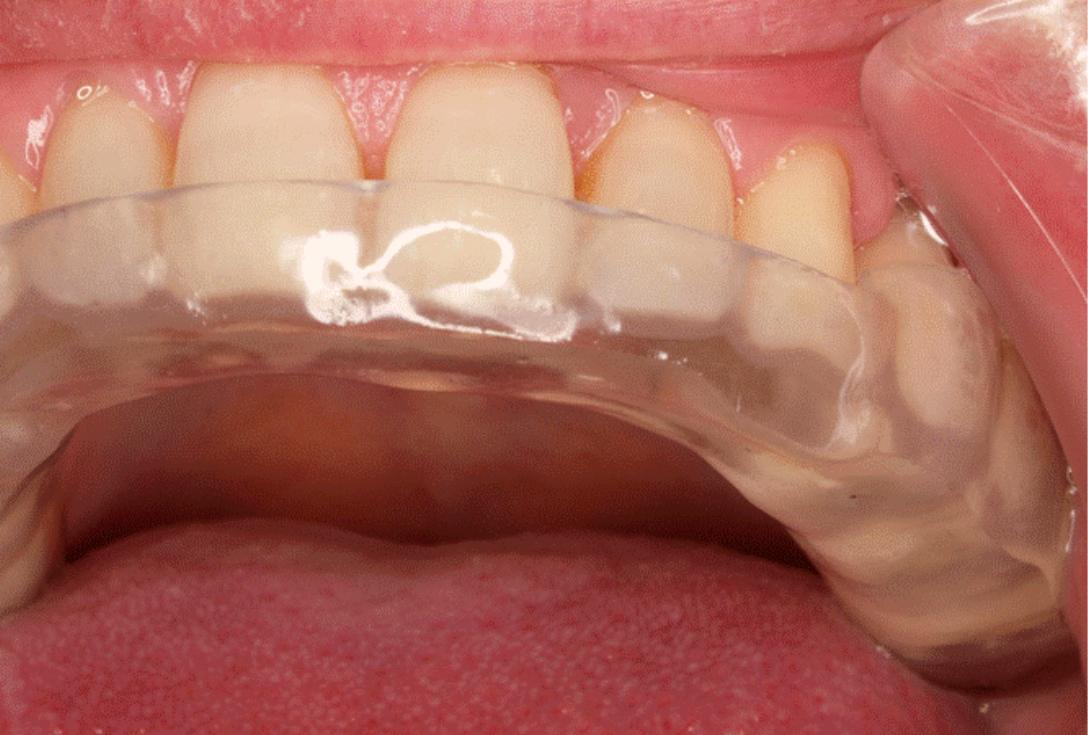
- Férulas para bruxismo
💡 Un tratamiento personalizado permite aliviar la sensibilidad de forma eficaz y duradera.
Pasta dental y productos para dientes sensibles
Las pastas dentales para sensibilidad ayudan a reducir el dolor bloqueando la transmisión nerviosa. Su uso debe ser constante y supervisado por el odontólogo para obtener mejores resultados.
No todos los productos son iguales, por lo que es importante elegir el más adecuado según cada caso.
Ventajas y desventajas del tratamiento de sensibilidad dental
Principales ventajas y consideraciones:
Ventajas
- Alivio rápido del dolor
- Mejora de la calidad de vida
- Prevención de problemas mayores
- Tratamientos mínimamente invasivos
Desventajas
- Requiere constancia en los cuidados
- En algunos casos, varias sesiones
- El uso de productos inadecuados puede empeorar el problema
Precios orientativos del tratamiento en España
Los precios pueden variar según el tratamiento necesario:
- Consulta y diagnóstico: sin coste / desde 0 €
- Aplicación de flúor o desensibilizante: 40 – 80 €
- Empaste dental: 60 – 120 €
- Férula de descarga (bruxismo): 250 – 400 €
Opiniones de pacientes
“Tenía un dolor intenso con el frío y pensé que era normal. Tras el tratamiento, desapareció por completo.” – Ana, 38 años
“La sensibilidad me molestaba incluso al respirar aire frío. Ahora puedo comer y beber sin molestias.” – Luis, 45 años
“No sabía que el cepillado fuerte era el problema. Con el tratamiento y los consejos, mejoré muchísimo.” – María, 51 años

Conoce al equipo
MAG Dental Madrid
Especialistas en tratamiento de la sensibilidad dental
En MAG Dental Madrid contamos con un equipo especializado en el diagnóstico y tratamiento de la sensibilidad dental. Realizamos una evaluación completa para identificar la causa exacta y aplicamos el tratamiento más adecuado (aplicación de flúor, sellado de túbulos, tratamiento de encías, empastes o férulas de descarga) para aliviar el dolor de forma eficaz y duradera.
El equipo está liderado por el Dr. Alejandro Prieto, cirujano implantólogo de prestigio internacional, experto en implantes de boca completa y en resultados de alta estética dental. Contamos con laboratorio dental en exclusiva, lo que nos permite controlar internamente cada fase del tratamiento para asegurar calidad, precisión y resultados predecibles.
Nuestro objetivo: resultados naturales, estables y duraderos para cada paciente.
Preguntas frecuentes
¿La sensibilidad dental tiene cura?
En muchos casos sí. Identificando la causa y aplicando el tratamiento adecuado, el dolor puede desaparecer o reducirse significativamente.
¿Qué medicamento puedo tomar para la sensibilidad dental?
Normalmente no se recomiendan analgésicos como solución principal. El tratamiento debe centrarse en la causa dental del problema.
¿La sensibilidad dental empeora con el tiempo?
Puede empeorar si no se trata, especialmente si existe desgaste del esmalte o enfermedad de las encías.
¿La sensibilidad es señal de caries?
Puede serlo, aunque no siempre. Por eso es importante realizar una revisión profesional.
¿Es normal tener sensibilidad solo en los dientes de abajo?
Sí, puede deberse a retracción de encías, desgaste o bruxismo localizado.
Historias de transformación
Si alguna vez te han dicho que tu caso no tiene solución, en MAG Dental Madrid desafiamos los límites de la odontología para ofrecerte la respuesta que estabas buscando.
Descubre la diferencia
En MAG Dental Madrid, fusionamos arte, tecnología y máxima precisión para diseñar sonrisas únicas, auténticas y completamente personalizadas.